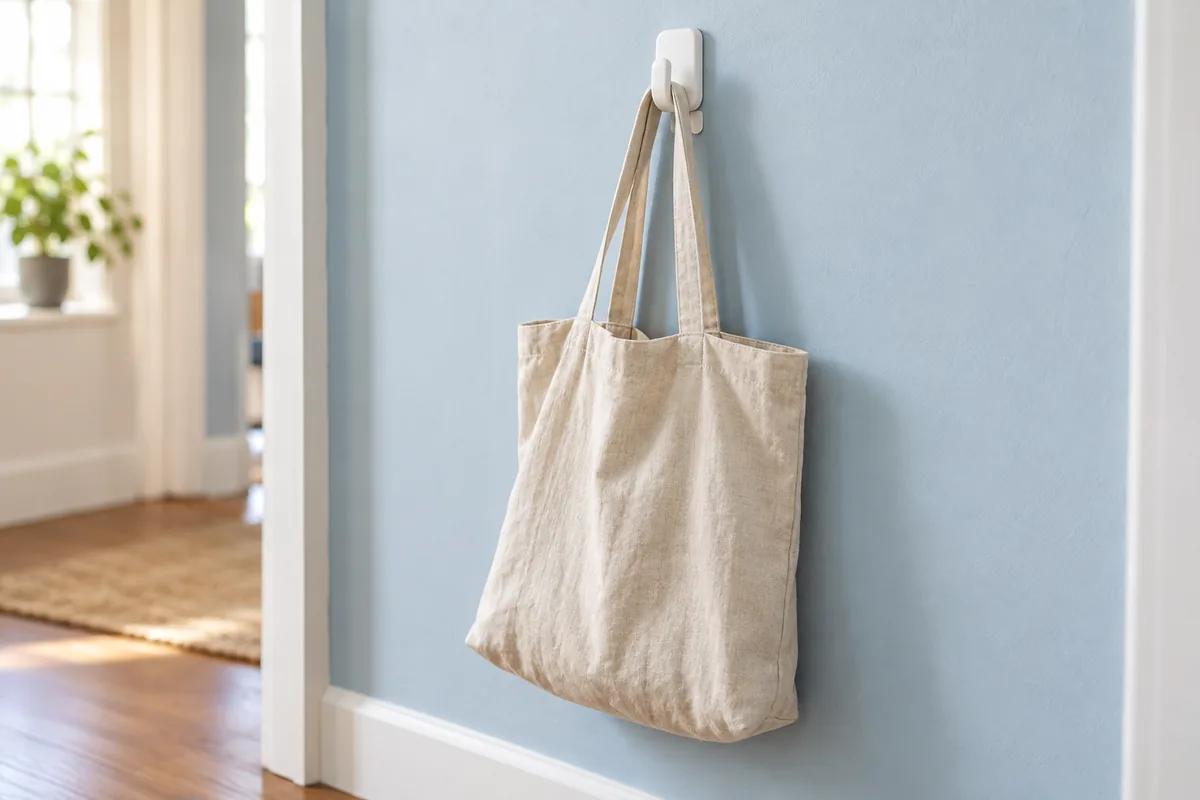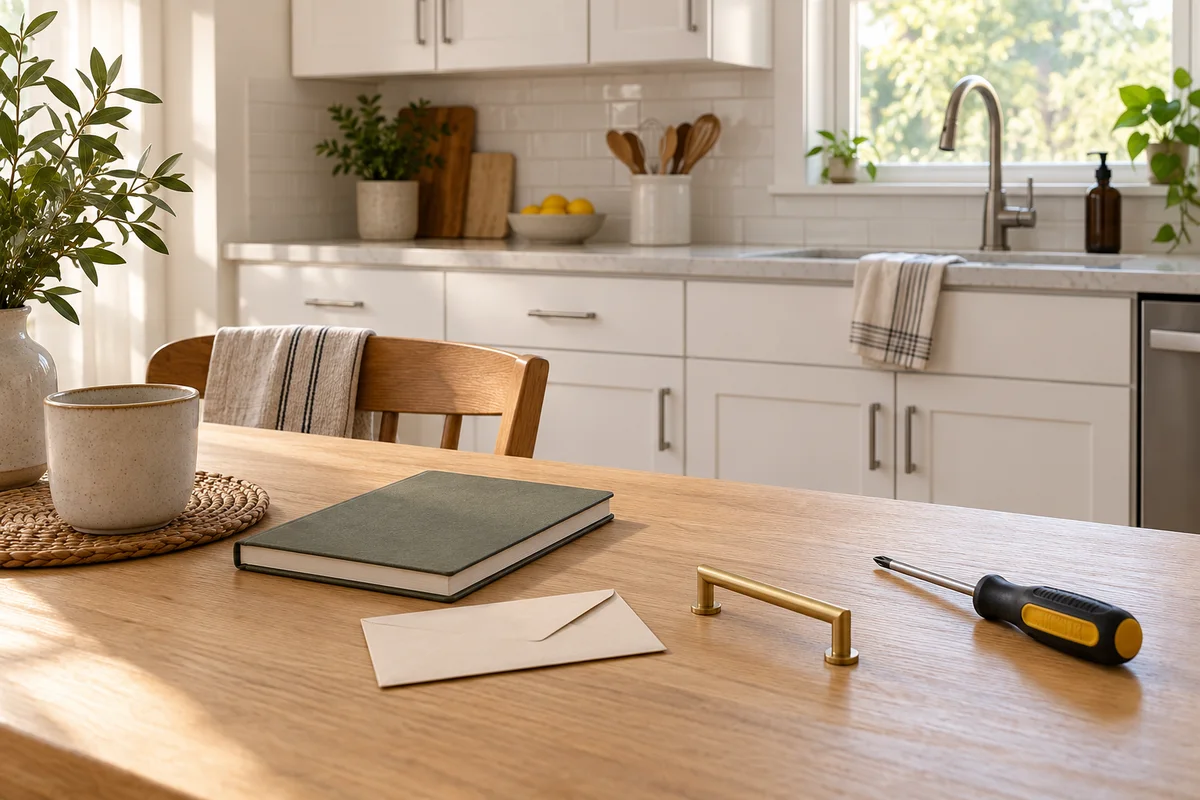
You have found cabinet pulls you like, or a hook that would give your bag a home. Before buying a full set, turn the idea into a small, specific request. “Can I update the kitchen?” leaves far more unanswered than “May I replace these six pulls using the existing holes and keep the originals for reinstallation?”
This guide helps you prepare that request and keep the answer usable later. It covers optional cosmetic changes. Repairs, accessibility modifications, and disputes about rental rights need their own process; this checklist does not determine your legal rights or guarantee a deposit outcome.
Start with the agreement you actually have
Find the sections of your lease and building rules dealing with alterations, decorating, adhesives, fixtures, and restoration. Note the required contact and submission method. If management uses a resident portal or an alterations form, use that process rather than assuming an informal text is enough.
Written permission appears in some rental agreements. For one concrete example, paragraph 12 of HUD’s published Model Lease for Subsidized Programs calls for prior written consent for alterations. That is a particular older model for subsidized housing, not a rule for every American rental. Your current agreement and applicable local requirements need their own check.
If a clause is unclear, send the proposed change to the person designated to handle alterations and ask what approval process applies. For this optional project, wait for a clear answer before making the change. A missing reply is a reason to follow up, not a useful project approval record.
Describe one change precisely
Name the room, location, quantity, and method. Include a current photo with the relevant area easy to identify, plus the exact product link or model. Leave unrelated personal details out of the photos.
For a cabinet-pull swap, explain whether you propose to reuse the existing holes, whether any painting or filling is involved, and where the original parts will be stored. If you have not confirmed compatibility, say the purchase is pending a fit check. Our cabinet pull measuring guide explains the dimensions to check before ordering.
For an adhesive hook, identify the exact hook and the intended item, including its loaded weight. Ask about the particular wall rather than requesting blanket permission for adhesives throughout the apartment. Do not promise that a product will leave no marks.
Command’s U.S. FAQs specify product-dependent weight and surface limits, exclude certain surfaces, and explain how weak paint or incorrect removal can cause damage. Those instructions are separate from management’s permission. Review both before deciding whether the product suits the location; our rental wall checklist walks through that decision.
Set out the return-to-original plan
A useful request answers what happens at the end, not just what will look different tomorrow. Ask whether management wants the change removed, left in place, or inspected before a decision. Clarify who will do the work and who will pay for the agreed installation and restoration. Do not assume approval means reimbursement.
For removable hardware, propose keeping original parts grouped by location, with a photo showing where each belongs. For an adhesive product, retain the exact removal instructions and ask how any finish damage should be handled. Avoid offering an unspecified “paint touch-up” if you do not know the finish or management’s requirements.
If the proposal would involve wiring, plumbing, locks, safety devices, or changes to the building itself, ask management to direct the appropriate process. This small cosmetic request template is not an installation plan for those jobs.
Use a short request you can adapt
Replace every bracketed item and remove anything that does not describe your actual proposal. A precise message is more useful than a promise you cannot check.
Subject: Request for [specific change] in [unit]
Hi [name],
I would like to [exact change and quantity] at [location]. I have attached a current photo and the proposed product details: [model/link].
My proposed method is [method]. It would involve [state any holes, adhesive, finish work, or removal of existing parts]. I would keep [original parts] in [storage location]. The product fit and installation instructions still need to be confirmed before work begins.
My proposed move-out plan is [reinstall originals/remove product/ask management to inspect]. Please confirm whether this change is approved, any conditions, who should carry out the work, and the required restoration. Please also confirm the agreed responsibility for costs; I am not assuming reimbursement.
If a form or another approval is needed, please let me know. I will wait for confirmation before proceeding with this optional update.
Thank you, [name]
Example: six pulls, with a stopping point
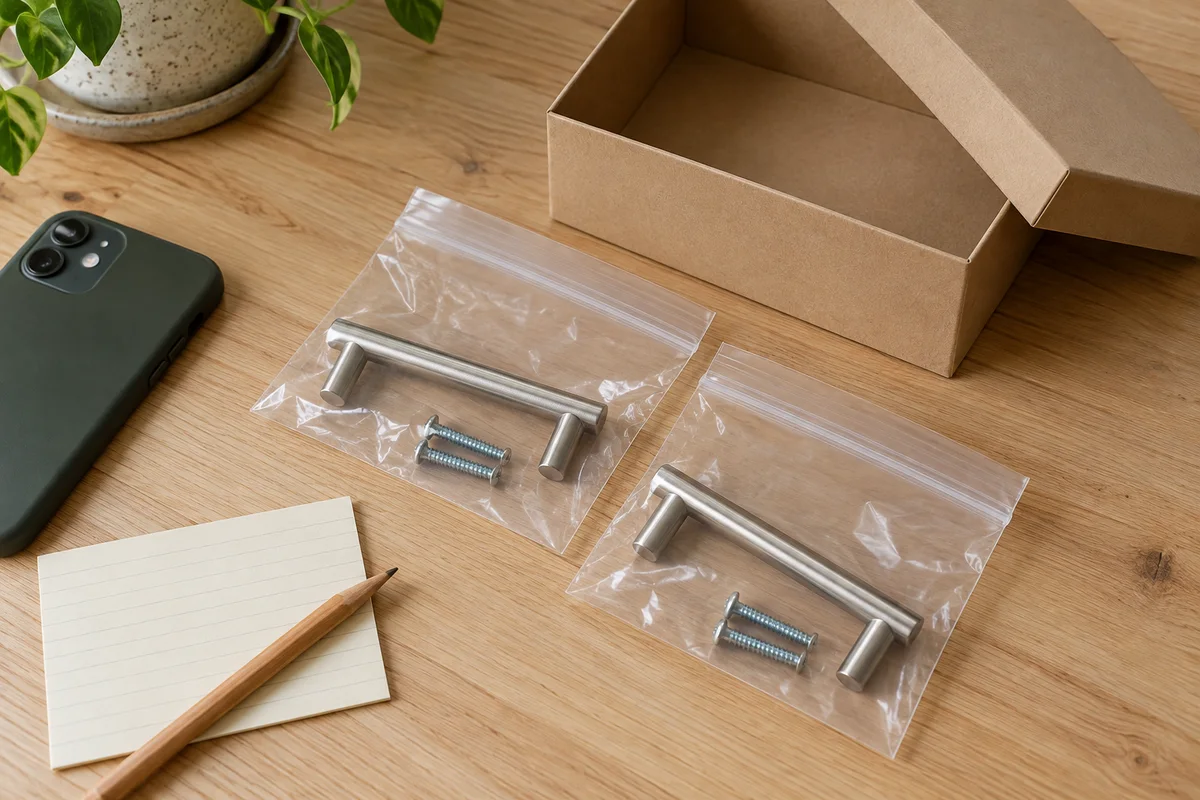
Imagine a renter wants to replace six kitchen pulls. This is a planning example, not a tested project. The request includes a photo of the six locations, a link to one candidate pull, and a proposal to reuse existing holes without painting or drilling. The renter asks to keep the originals in a labeled kitchen-parts box and reinstall them before move-out.
Suppose the reply approves that scope, on condition that the original finish is preserved and the old pulls are returned. The renter then checks one approved sample location. If the new base exposes an old finish mark, or the mounting pattern does not match, the next step is to pause and revise the proposal. Approval for an existing-hole swap is not permission to enlarge the holes or refinish the door.
The same boundary applies if the product changes. A different adhesive, handle base, or mounting method may change the question management answered. Send the revised details before continuing.
Keep the answer with the project
Save the request, attachments, and full reply together. Record conditions in plain language, but retain the original message rather than relying only on your summary. An enthusiastic response that leaves the method or restoration unresolved deserves a short follow-up.
Copy this worksheet into your household notes:
| Record | What to save | Example for the six-pull proposal |
|---|---|---|
| Scope | Location, count, exact product | Six kitchen pulls; candidate model link |
| Method | What will touch or change the property | Existing holes only; no drilling or finish work |
| Decision | Date, reply, and person responding | Save the complete written response |
| Conditions | Limits and unresolved questions | Preserve finish; confirm any unclear wording |
| Originals | Parts, location labels, storage place | Each pull and its screws grouped by cabinet |
| Restoration | Who does what, when, and agreed costs | Record the actual agreement, not an assumption |
| Completion | Photos and any requested follow-up | Photograph approved finished scope and retained parts |
Keep this record somewhere you can access during a move. Photograph the area before work and after completion, using similar framing so the locations are recognizable. Photos help describe condition; they do not guarantee how a future disagreement will be resolved.
If the answer is no, solve the original problem another way
Write down the need behind the purchase. If the goal was a place for keys, a tray inside existing furniture may do the job. If it was a fresher kitchen, reorganizing a drawer may help without changing the cabinets. Our small kitchen drawer plan starts with the items you already own.
For a broader refresh, use reversible living room planning to try layout and textiles before choosing another attached product. Keep any required safety installation in the plan. The next useful step is a change that fits the space, the product instructions, and the permission you actually have.
Sources and further reading
- Command U.S.: Product FAQs
Product-specific surface compatibility, weight limits, and removal restrictions; permission alone does not establish technical suitability.
- HUD: Model Lease for Subsidized Programs, paragraph 12
A specific published lease example requiring prior written consent for alterations. This older model is not presented as the reader's lease or a nationwide legal rule.
The notes above identify which guidance each source supports. Layouts and planning examples are editorial suggestions, not tested product claims.